Conventional Seeding Contractors UK
Specialist conventional seeding for housing, highways, land reclamation and amenity projects across the UK
CDTS North & West provides conventional seeding for housing, highways, parks, amenity and land restoration projects across the UK.
Using drill seeding, broadcast seeding and specialist seedbed preparation equipment, we take accessible sites from rough ground to established vegetation with accurate seed placement, efficient coverage and a finish that matches the project specification.
Is Conventional Seeding Right for Your Project?
Conventional seeding is the default method for accessible sites where ground can be cultivated and tractor access is feasible. It delivers the lowest material cost and the best seed-to-soil contact of any application method, making it the first choice for flat to gently sloping ground where erosion risk is low.
For steeper slopes, restricted-access sites, or projects requiring immediate erosion protection, hydroseeding is typically more appropriate. On mixed sites, we regularly combine both methods: drill-seeding accessible flat areas for cost efficiency while hydroseeding the slopes, all delivered by one contractor under a single mobilisation.
| Conventional Seeding Drill & broadcast | Hydroseeding Amenity grass | |
|---|---|---|
| Cost / m² | £0.20–£2.00 | £0.30–£0.85 |
| Daily coverage | 1–2 hectares | 2–3 hectares |
| Max slope | 6:1 drill / 4:1 broadcast | 3:1 (18°) |
| Erosion protection | Limited until established | Immediate (mulch matrix) |
| Seed-to-soil contact | Superior (drill seeding) | Moderate (seed in mulch) |
| Typical labour | 4–6 operatives | 2–3 operatives |
| Best for | Flat, accessible ground with stable topsoil: housing POS, amenity grass, playing fields, highway verges, level earthworks | Slopes, large areas, programme-critical schemes, erosion-risk sites, restricted access |
What Conventional Seeding Delivers on Site
Conventional seeding establishes uniform vegetation through mechanical cultivation and precision drilling or broadcast application. When ground conditions allow tractor access, this method delivers reliable germination at the lowest material cost—no mulch, no additives, just seed placed at the correct depth in properly prepared soil.
Budget Efficiency
Conventional seeding uses fewer imported materials than any other vegetation method. No mulch, no tackifiers, no hydraulic application. For accessible sites with stable soils, material costs start from £0.20 per square metre, making it the most cost-effective route to established vegetation. Drilling at controlled rates minimises seed waste and eliminates over-application.
Precision Establishment
Drill seeding places seed at the correct depth with accurate spacing, maximising germination rates and producing uniform coverage that meets BS 4428:1989 landscape specifications. Our Blec Turfmaker drills deliver a clean finish for amenity grassland, playing fields and high-profile landscaping without patchy results or the need for re-seeding.
Programme Integration
Tractor-mounted equipment covers 1 to 2 hectares per day under suitable conditions. For projects where seeding follows topsoil spreading or final grading, conventional methods slot directly into the earthworks programme without specialist mobilisation delays. Where both seeding methods are needed, CDTS North & West can mobilise conventional and hydroseeding equipment to site simultaneously, removing the need to coordinate separate contractors.
Where Conventional Seeding Fits on Your Project
Whether you are establishing amenity grassland on a housing development, reinstating highway verges after topsoil placement, or vegetating large restoration sites with stable substrates, conventional seeding delivers consistent results at predictable cost.
It is the proven solution for projects requiring cost-efficient vegetation across large flat or gently sloping areas where soil conditions support mechanical preparation.
Amenity grassland, community parks, landscaped areas and public open space on level ground. Drill seeding to landscape architect specifications with a finish suitable for adoption.
Topsoiled verges, central reservations and embankment tops where tractor access allows. Seeding to MCHW Series 3000 specification for National Highways and local authority schemes.
Landfill caps, quarry floors, brownfield restoration and large-scale earthworks where coverage over substantial areas is the priority.
Playing pitches, parks and public realm requiring uniform establishment to specification
On accessible flat ground, conventional broadcast seeding is generally preferred for wildflower meadow establishment. Many wildflower species require light-dependent surface germination and benefit from direct soil contact rather than suspension in a mulch matrix.
If you would like to see a collection of our recent projects from across these different sectors, please visit our 'Projects' page.
Our Conventional Seeding Process
01
Site appraisal & specification
We assess soil conditions, stone content, weed pressure and access constraints, then agree seed mixes, cultivation methods and application rates with your project team. Where required, we can recommend seed mixes to meet specific landscape or BNG habitat targets.
02
Ground preparation
Existing vegetation is removed or incorporated. Compacted ground is broken up using rotovators or power harrows to the required depth, typically 100 to 150mm. On stony sites, stone burying creates a clean growing medium.
03
Seedbed formation
Grading, stone burying and fine harrowing create a level, stone-free tilth with good structure for seed establishment, in accordance with BS 4428:1989. Fertiliser is incorporated where specified.
04
Seeding
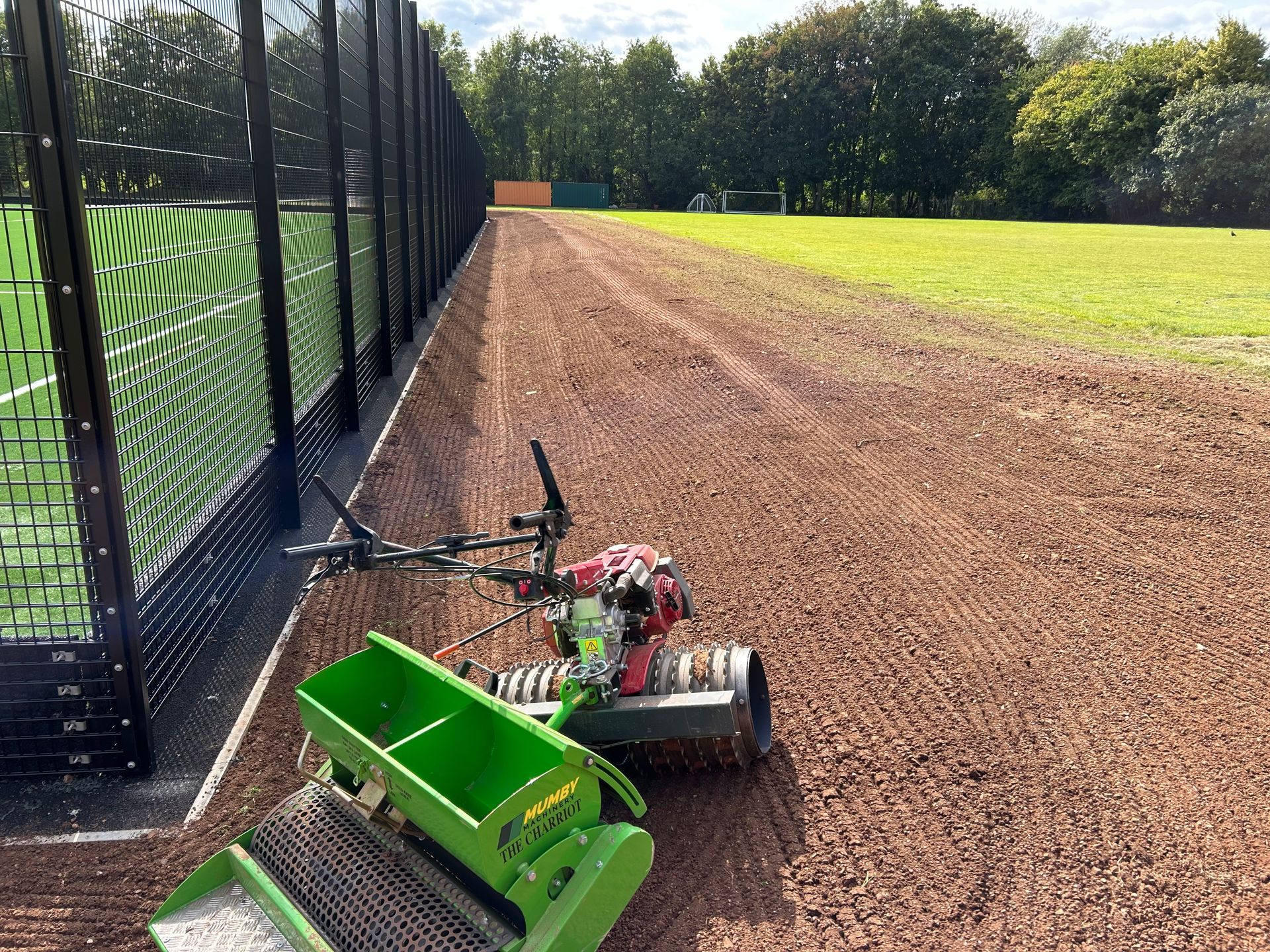
Seed is drilled using Blec Turfmaker units for precision placement at the correct depth, or broadcast and harrowed in for large open areas. Application rates are calibrated to match the specification exactly. Our equipment handles amenity grass, wildflower, and specialist restoration mixes.
05
Consolidation
Light rolling with flat or Cambridge rollers firms the seedbed around the seed, improving moisture contact and germination rates. This step is particularly important in dry conditions and on lighter soils.

Why Choose CDTS North & West for Conventional Seeding?
Conventional seeding fails when the seedbed is not right, levels are rushed, or the method does not match the soil and site use. The result is patchy germination, weed domination, and expensive rework that delays your programme.
CDTS North & West reduces that risk through site-specific specification, the correct cultivation and drilling equipment for your ground conditions, and experienced teams who deliver the finish your project requires.
Specialist cultivation and drilling fleet
We operate Aebi Terratrac slope tractors, John Deere compact tractors, Blec Turfmaker precision seed drills (tractor-mounted and pedestrian), power harrows, rotovators, stone buriers, Harley power rakes, grader bars, fixed-tine harrows, seed spinners and Cambridge rollers. For confined or awkward areas, we use BCS pedestrian tractors fitted with compact cultivation attachments. This range handles everything from fine-tilth amenity seedbeds to large-scale earthworks restoration.
30+ years delivering seeding projects across the UK
Our team has delivered conventional and hydroseeding across motorways, A-roads, landfills, quarries, wind farms and major housing developments throughout England, Wales and Scotland. We work for Tier 1 contractors, house builders, local authorities and infrastructure clients.
CHAS-accredited, fully insured
CDTS North & West holds CHAS accreditation (SSIP Approved Contractor) and carries £5 million public liability and £10 million employers liability insurance. Full RAMS are provided for every project. Insurance certificates and health and safety documentation are available on request for your tender submissions.







We have collaborated for many years with CDTS on a whole range of seeding projects covering conventional seeding, hydroseeding and wildflower seeding for BNG enhancement. Extremely professional with highly experienced and qualified teams. Great communication, flexible and reactive service!
Paul Hadley
November 2025
We engaged with CDTS for the hydroseeding across 4000 square metres of banks at a project in Blyth for Stainforth Construction. The team responded quickly and communication was good. Despite a small machinery hiccup, the hydroseeding was completed on time in just one day. Good service, good communication throughout, and completed professionally, on time. Seeds are just starting to germinate, we will update progress when we return to site.
J Paxman Landscapes
February 2026
I’ve used CDTS Seeding for many years, using both amenity and bespoke wildflower seed mixes across hydroseeding and conventional seeding projects. Their attention to detail and genuine desire to create the best possible finish really sets them apart.
Professional, reliable, and consistently excellent. Highly recommended for anyone needing quality seeding work.
Ant Brown
November 2025
Murphy Construction New Head Office, Goldborne
Conventional and wildflower seeding across 10,000 m² for new office development.
Ground Control | Goldborne, Manchester | 2025
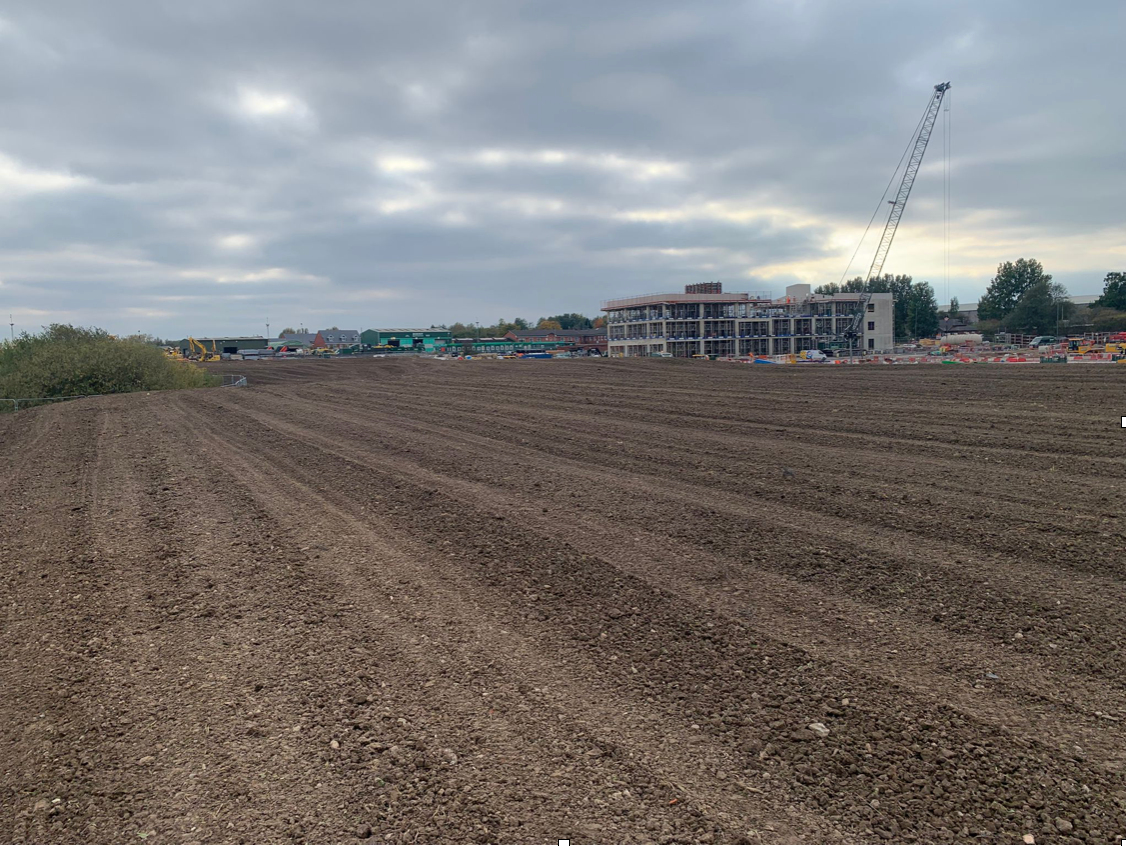
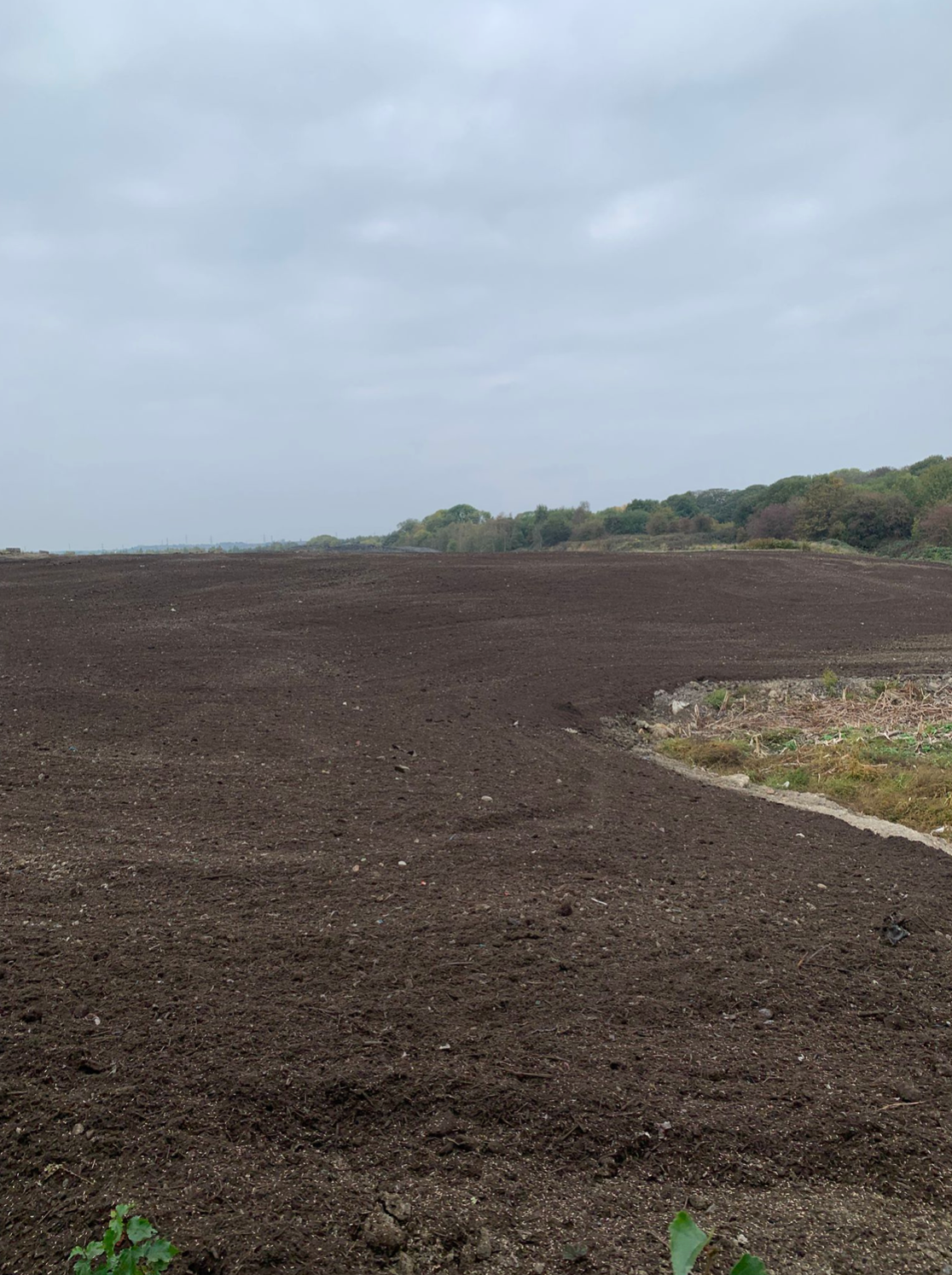
FCC Welbeck Landfill Site
Conventional seeding across 60,000 m² of landfill cap under a tight pre-winter deadline. Soil wash-off was the primary risk if vegetation failed to establish before seasonal rainfall. CDTS North & West completed the full seeding programme on schedule, achieving grass establishment before winter and protecting the cap surface from erosion.
FCC Environmental | Normanton, West Yorkshire | 2025
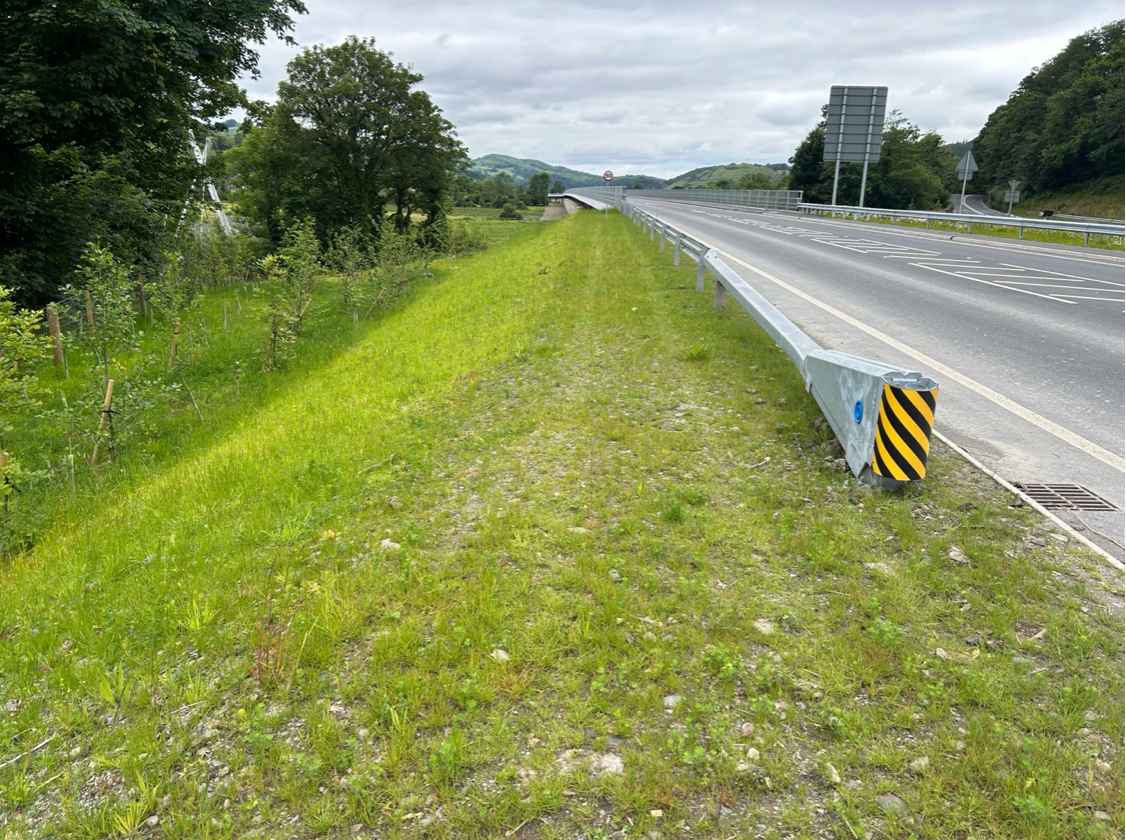
Machynlleth Bridge, Mid Wales
Conventional seeding, hydroseeding, wildflower seeding and BFM erosion control across 1 km of new highway around a replacement bridge structure. The scheme sat within a highly sensitive environment, with local-provenance seed and plant species specified throughout. CDTS North & West delivered the full seeding and planting package for Tier 1 contractor Alun Griffiths and continues to maintain the site under an ongoing maintenance contract.
View our 'Machynlleth Bridge' case study.
Alun Griffiths | Machynlleth, Wales | 2025
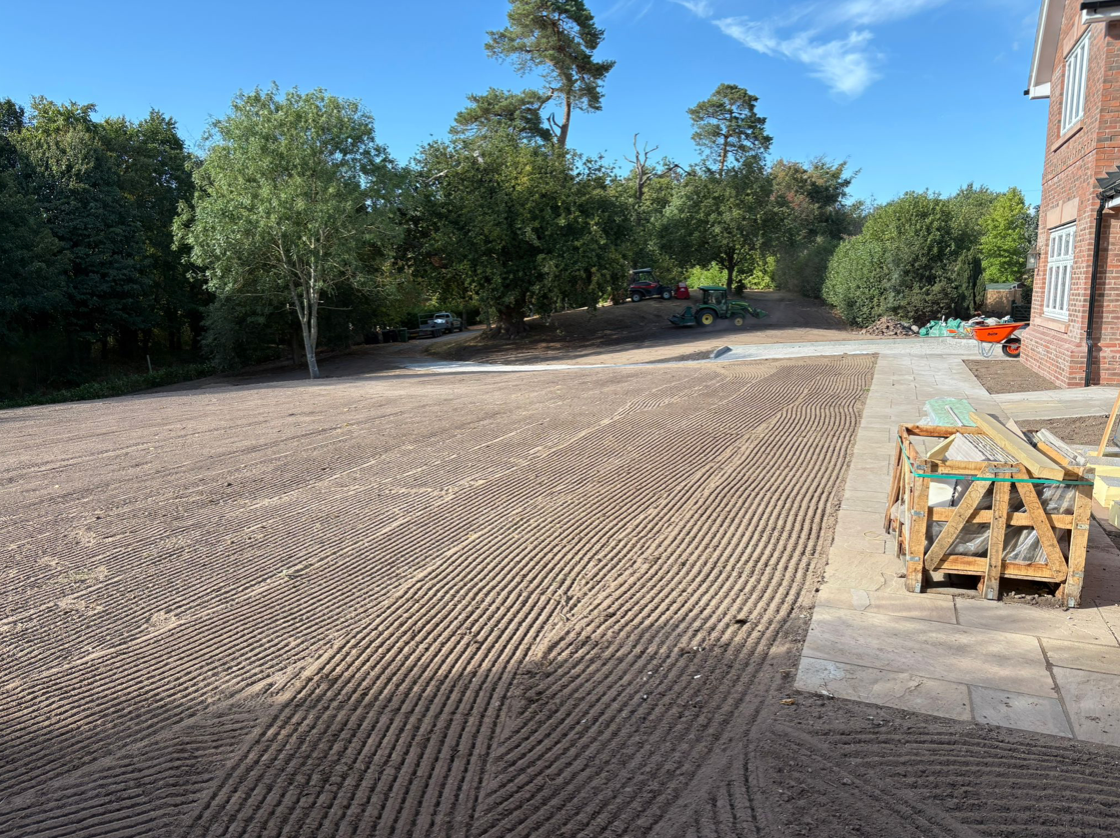
Carden Park Private Estate
Conventional seeding across 1,000 m² of ground heavily contaminated with builders' debris and stone. The substrate required thorough preparation using stone-burying equipment to create a clean seedbed capable of supporting a high-quality finish on a private estate where presentation standards were critical. Rapid establishment achieved despite the challenging ground conditions.
Private Client | Cheshire, North West | 2025
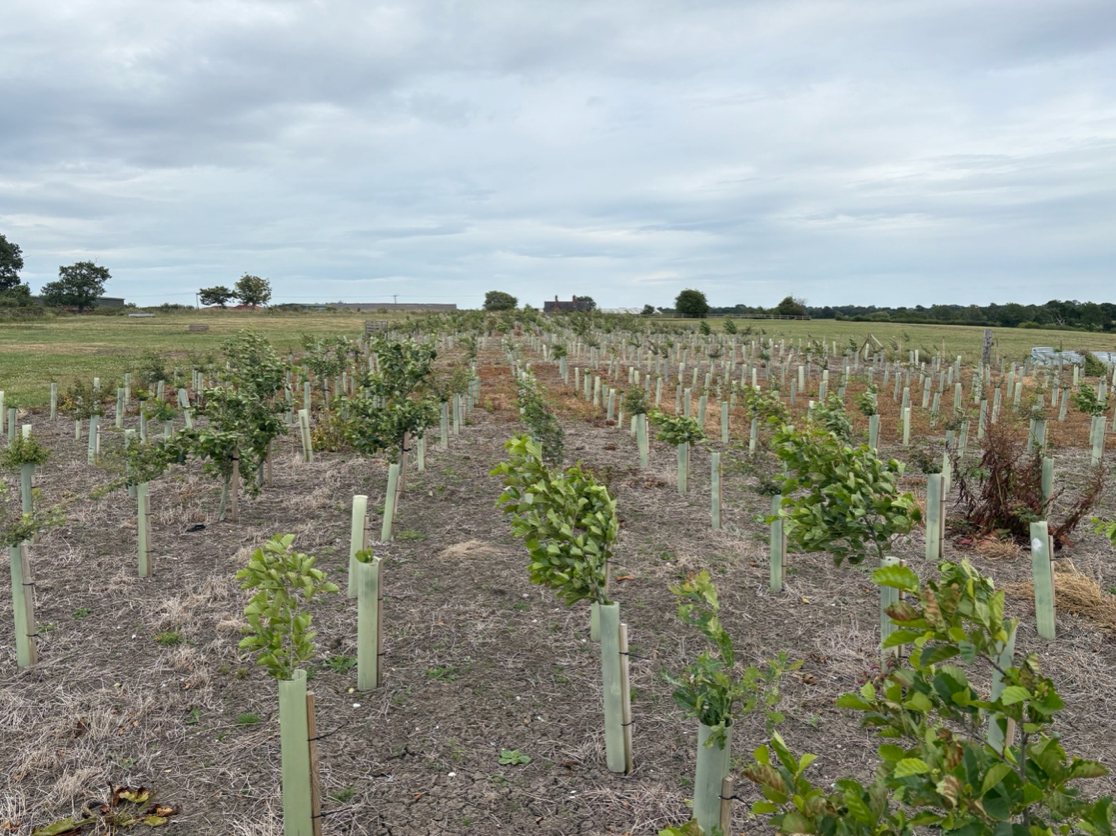
Cheshire Green Industrial Estate
10,000 m² conventional seeding on waterlogged site for new industrial estate development. Ongoing works including 6,000 plant installations.
Jones Bros Civil Engineering | Cheshire, North West | 2025
Recent Conventional Seeding Projects
CDTS North & West delivers conventional seeding projects across housing, highways, land reclamation and amenity sites throughout the UK. Below is a selection of recent work demonstrating the range of sites, scales and ground conditions our team handles.
Frequently Asked Conventional Seeding Questions
What is conventional seeding?
Conventional seeding is the mechanical application of dry seed into cultivated soil using specialist equipment such as seed drills, broadcast spreaders and power harrows. Unlike hydroseeding, it does not use a water-based slurry or mulch layer. It is the most established method of vegetation establishment on construction and landscaping projects and remains the most cost-effective option where site conditions allow. The method is covered by BS 4428:1989, the Code of Practice for General Landscape Operations.
When should I choose conventional seeding over hydroseeding?
Conventional seeding is typically the right choice on flat to gently sloping ground (gradients of around 6:1 or gentler) where machinery can access the site and soil can be properly cultivated. It works well on freshly topsoiled areas, amenity grassland, playing fields, housing development open space, road verges on level ground, and large-scale reclamation sites. For steeper slopes, poor-access sites, or projects where rapid erosion control is critical, hydroseeding is usually more appropriate. On mixed sites, we often combine both methods, drill-seeding accessible flat areas for cost efficiency while hydroseeding the slopes, all delivered by one contractor. See our full hydroseeding vs conventional seeding comparison for a detailed decision framework.
How much does conventional seeding cost per square metre?
Conventional seeding typically costs between £0.20 and £2.00 per square metre, depending on site access, ground conditions, seed specification and the level of seedbed preparation required. This makes it the lowest-cost vegetation method for accessible sites with stable soils. For comparison, hydroseeding costs £0.30 to £0.85/m² and installed erosion control blankets cost £8 to £12/m². On projects with both flat areas and slopes, combining conventional seeding with hydroseeding under a single mobilisation optimises cost across the whole site.
What equipment does CDTS North & West use for conventional seeding?
We operate a full range of specialist soil preparation and seeding equipment, including Aebi Terratrac slope tractors, Blec Turfmaker precision seed drills (tractor-mounted and pedestrian), power harrows, rotovators, stone buriers, Harley power rakes, grader bars, fixed-tine harrows, seed spinners and Cambridge rollers. For confined or awkward areas, we use BCS pedestrian tractors fitted with compact cultivation attachments. View our full specialist fleet and equipment.
What is the best time of year for conventional seeding in the UK?
The primary seeding windows are spring (March to May) and autumn (September to October), when soil temperatures and moisture levels support reliable germination under optimal seeding conditions. Autumn seeding often benefits from natural rainfall and reduced weed competition. For wildflower mixes, autumn sowing is generally preferred to allow cold stratification over winter. We can advise on the best timing for your specific seed mix and location. Read more about the best time to seed in the UK.
Can you combine conventional seeding and hydroseeding on the same project?
Yes, and this is often the most cost-effective approach for sites with varied terrain. CDTS North & West regularly delivers hybrid specifications: drill-seeding flat, accessible sections while hydroseeding slopes, embankments and difficult-access areas. This matches the method to the terrain for optimal cost and performance, all under a single contractor and mobilisation. View examples of this approach across our project portfolio.
Can CDTS North & West carry out conventional seeding anywhere in the UK?
Yes. We are based at Alport Farm, Malpas, Cheshire but operate nationwide. Our fleet includes towing vehicles, trailers and self-contained equipment rigs that allow us to mobilise to any site across England, Wales and Scotland. For large or multi-site programmes, we regularly deploy teams from the North West through to Scotland, across Yorkshire, the Midlands, Wales and the South.
Discuss Your Conventional Seeding Project
Not sure if conventional seeding is right for your site conditions? Share your drawings, photos or specification and our technical team will assess your project, confirm the most appropriate seeding method, and provide a detailed quote. For sites with both flat areas and slopes, we can recommend a combined conventional and hydroseeding approach to optimise cost and programme.